Engineering remains a male-dominated profession, and that imbalance is often felt early. At university, the gender balance of female to male students on a course can influence confidence, participation, and whether students can picture a future in the industry.
Through our partnership with the University of Surrey, and by working closely with Dr Donya Hajializadeh, Associate Professor of Structural Engineering and her colleagues at the School of Engineering, we are supporting students as they move from education into practice. This includes a particular focus on ensuring that female students can see a place for themselves within the profession.
In this article, Donya shares her perspective on student experience, alongside an overview of how Whitfield Consulting Services (WCS) is supporting students.
The challenge starts early
Encouraging more women to apply for engineering degrees remains a challenge. Engineering has the highest percentage of male students of any university course, at 77.85%.
For many female students, entering a cohort where they are underrepresented can be intimidating. This shapes not only how they experience their degree, but also how they think about their future.
This is reflected in conversations with prospective students: “One of the common questions we get in our applicant days or open days is: what is the percentage of women to male students within the cohort?” says Donya. “This is more than just a number; it influences their sense of inclusion, whether they can find role models, and whether they’ll feel comfortable speaking openly about challenges they may face.”
Why role models matter
Donya is clear that role models can have an impact on how students see themselves and their future in engineering. She says: “Having role models who have gone through the same path shifts perspectives of possible careers into visible reality.”
She also highlights the value of students seeing women working successfully in engineering today. “Seeing role models, and not just those on paper, but relatable professionals building successful careers transforms their sense of belonging and what is achievable,” she explains.
That is why industry involvement matters so much – helping students picture themselves in the profession and believe that engineering is somewhere they can belong and succeed.
How WCS is supporting students
At WCS, we engage with students through a range of initiatives, both with the University of Surrey and through other institutions and bodies, including student placements through the Surrey-ICE Scholarship scheme.
The Surrey-ICE Scholarship scheme is a collaboration between the Institution of Civil Engineers (ICE), University of Surrey and a range of leading companies in the civil engineering industry, offering civil engineering students significant financial benefits through salaried training over summer and year placements as well as an annual bursary. However the most important benefit is the industry experience, mentorship and networking, allowing students to develop personal and professional skills, placing them on a fast-track career after their graduation.
Donya describes the scheme as a transformational opportunity for students. She explains that they can gain substantial paid experience before they even graduate, saying: “Our scholars graduate with 14-16 months of paid work experience, putting their CVs in an entirely different league.”
She also points to the confidence and maturity students gain through this early immersion in the industry.
For some students, the experience is so valuable that it leads directly into employment. As Donya explains, “If everything goes well, they will have a job offer on the table before they even start their final year, saving them time and effort in preparing CVs, cover letters and job applications. The scheme not only provides our scholars valuable industry experience but also supports their academic performance as well as shaping their career aspirations early on during their programme”.”
Representation in practice
The impact of these placements is particularly strong where students encounter visible female representation within industry.
WCS is able to provide this in a meaningful way. Many of our engineers involved in placements, student selection and project briefs are women. This gives students direct exposure to experienced professionals in structural engineering roles, rather than abstract examples.
As a result, students are not only gaining technical experience but also developing a clearer understanding of what progression in the profession can look like in practice.
Reflecting on WCS’s involvement specifically, Donya is full of praise: “They’ve been exemplary in providing training opportunities and supporting our students in their learning journeys.” She adds: “All in all, it’s phenomenal for our students’ transformation and experience for sure.”
WCS also contributed to a first-year university module built around a real industry challenge. Students worked in teams to develop and present solutions, gaining early exposure to how engineering problems are approached in practice.
Support beyond placements
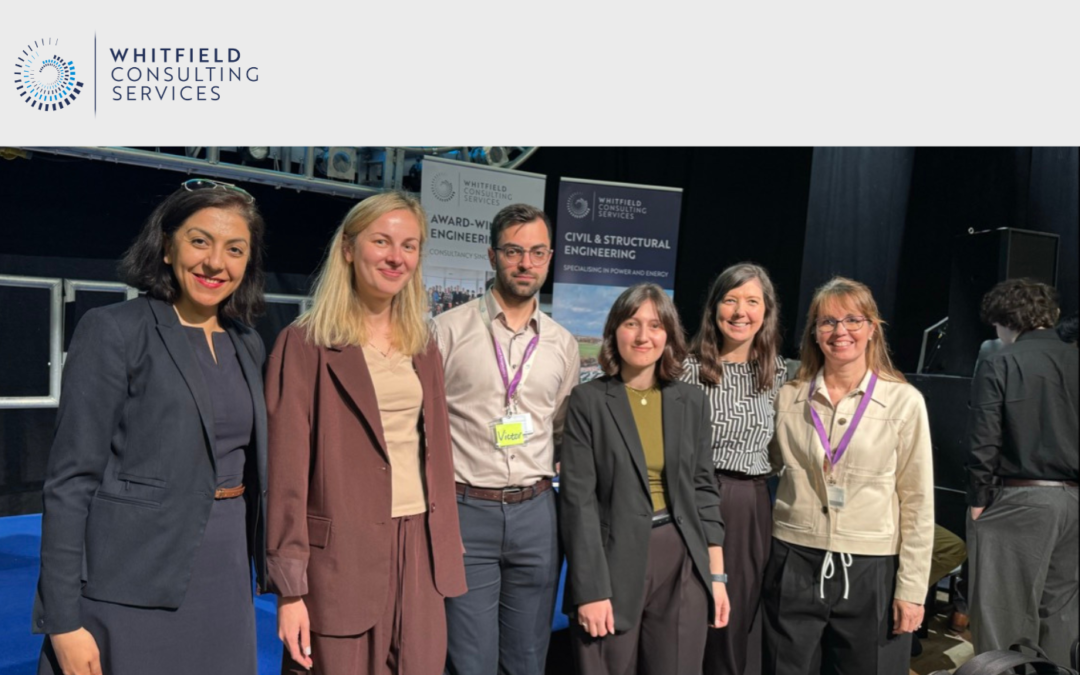
WCS is involved in wider academic and industry engagement through activities led by Kirsty Glover, Associate Director, Celine Mahfoud, Civil/Structural Engineer and Dr Natalja Petkune, Director, including participation in the IStructE Surrey Hub, where Natalja is Chair this year. Through this and other initiatives, the team helps organise regular technical lectures that bring together students, early-career engineers and industry professionals, creating valuable opportunities for shared learning. We also launched our apprenticeship programme last year and are currently recruiting for a Degree Apprentice Civil Engineer.
Our team also takes part in careers fairs, guest lectures and outreach initiatives such as the Women’s Engineering Society’s Lottie Tour, helping to raise awareness of engineering careers among underrepresented groups.
We support mentoring initiatives, including the Kingston University Beyond Barriers programme and the ICE Girl Guide Scout scheme, helping young people engage with engineering in more accessible and practical ways. These activities address different points in the pipeline, from early awareness through to entry into the profession, and saw WCS shortlisted for the Excellence in Outreach accolade at the Inspiring Women in Construction & Engineering Awards 2025.
Progress – and the work still to do
There has been clear progress in the industry, but it has been gradual.
Donya reflects on this change over the course of her career: “I started my career about 15 years ago now, and for a good part of those 15 years, I was the only woman in the room. The number has since improved which makes a great difference in representation.”
However, she is clear that structural imbalance remains: “We still have a long way to go, but all in all, there have been leaps and bounds of improvement.”
Looking ahead
“Our partnership with the University of Surrey shows what can happen when education and industry work together with a shared purpose,” says Dr Natalja Petkune.
“We have worked hard to build a culture where female engineers feel supported, valued and able to progress at every stage of their careers – and it’s so rewarding for us to be able to work with institutions like the University of Surrey to inspire and support others, as we build the next generation of civil engineers.”
Join our team
For female engineers, whether just starting out or looking for their next challenge, WCS offers the opportunity to build a career where your voice is valued, your work makes an impact, and your future is supported.
If you are passionate about civil engineering, then a career at WCS could be for you. Whatever your current level of experience, together we can help you make your mark. Click here for our latest vacancies.